Vasco, and a supernova discovered
On a stargazing trip between September 19 and September 23 this year, I spied a supernova.

On a stargazing trip between September 19 and September 23 this year, I spied a supernova.

In South India, they're worried. For following some stated national priorities, for performing well at them in comparison to the North, the states of the South might be punished: They stand to lose a certain quantum of political power.
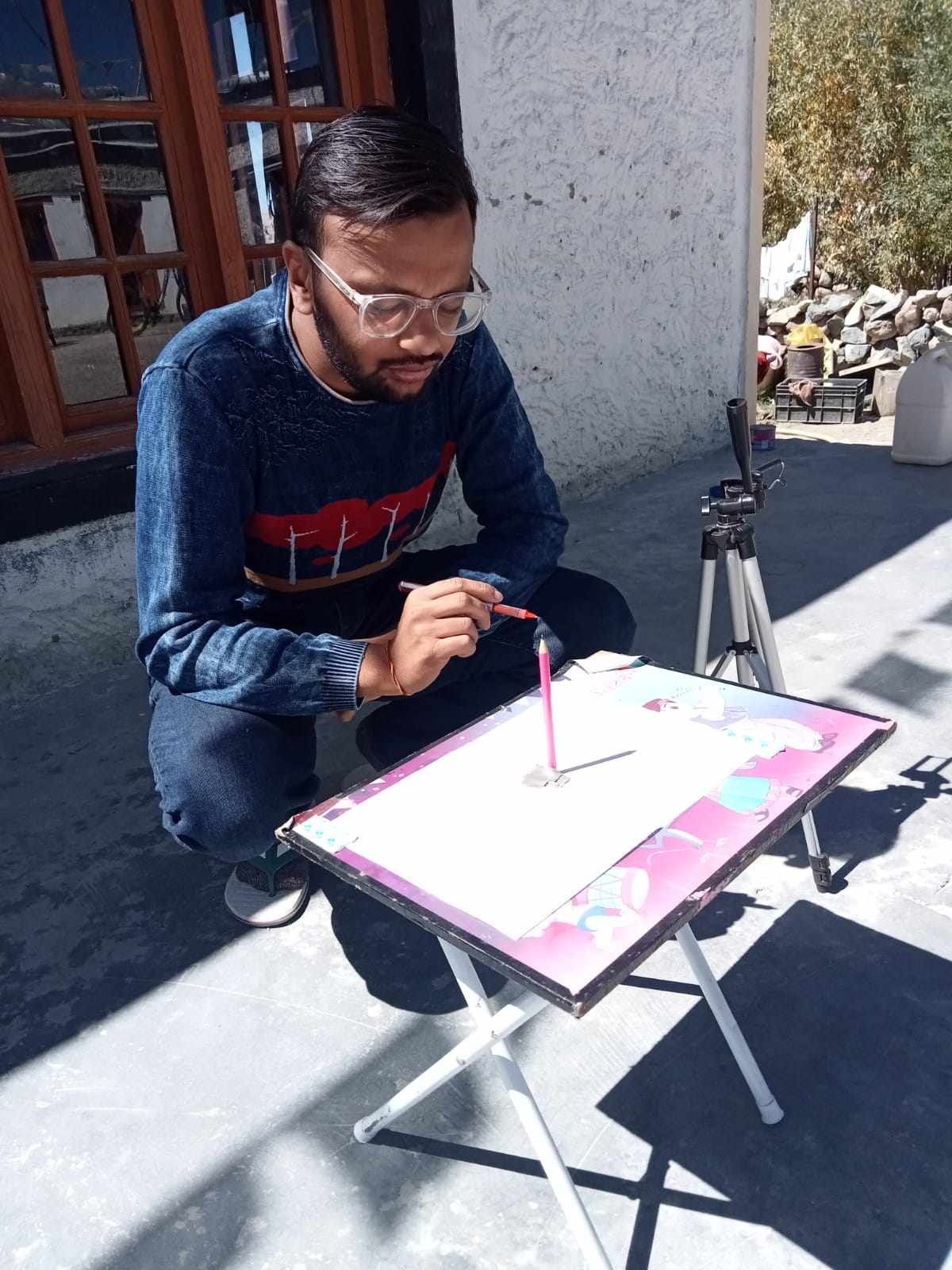
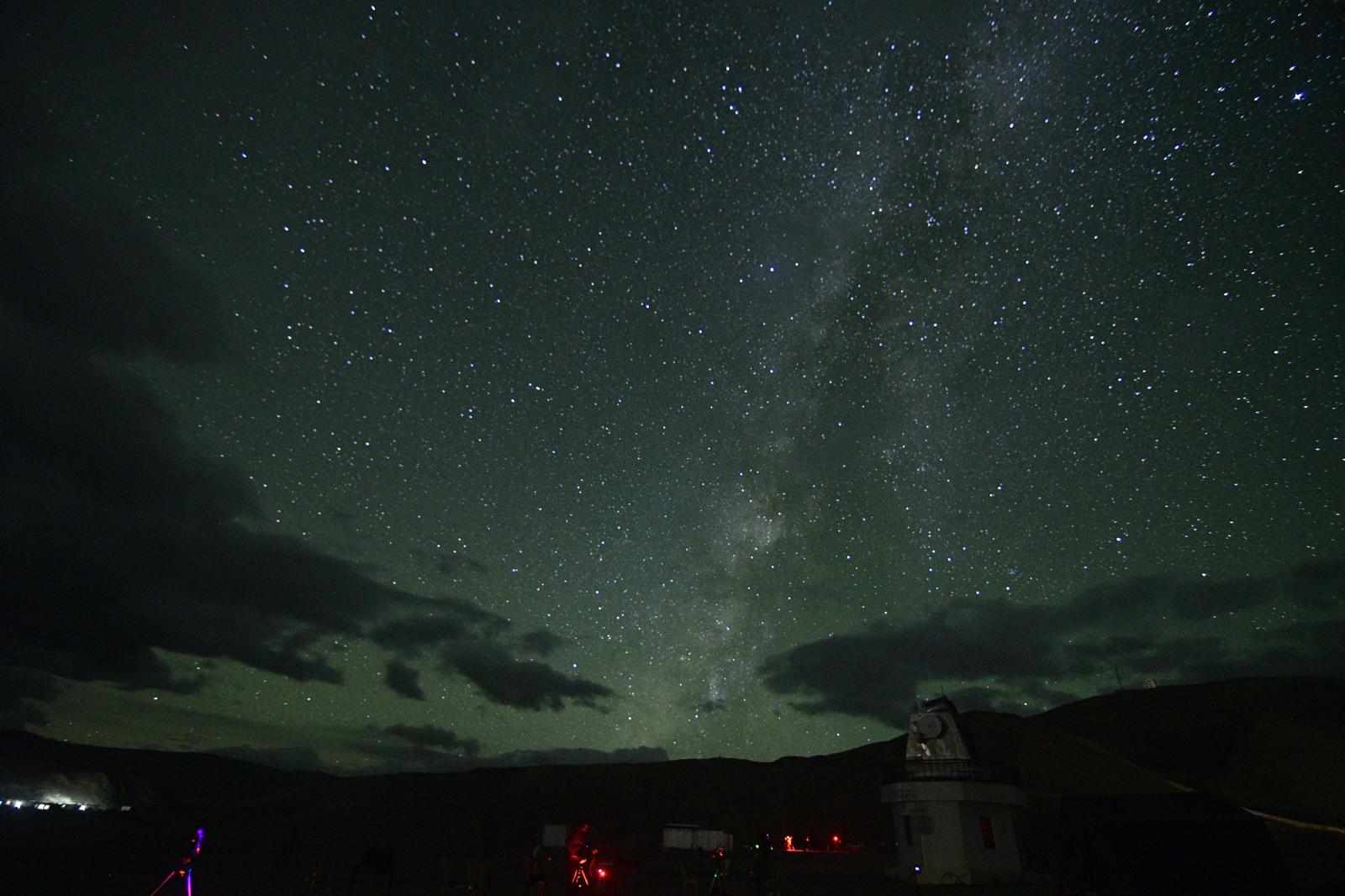
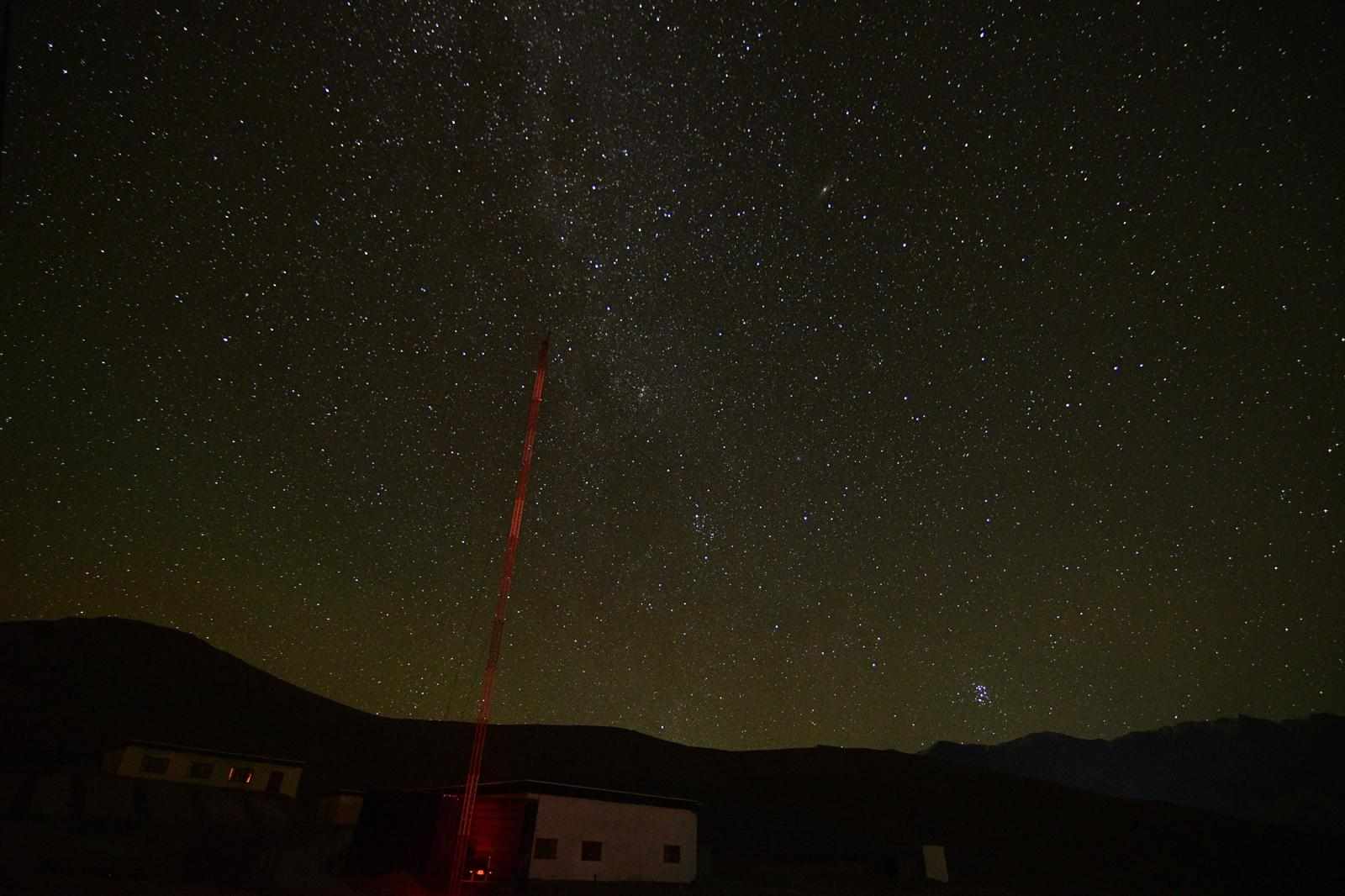
The autumn equinox - well, autumn in the northern hemisphere - came and went a few weeks ago. I spent it, as I mentioned in my last column here, at the Hanle Dark Sky Reserve in north India. Four nights with some 40 other amateur astronomers, in the open at 14,000 feet, temperatures hovering just below freezing, photographing the splendid night sky.
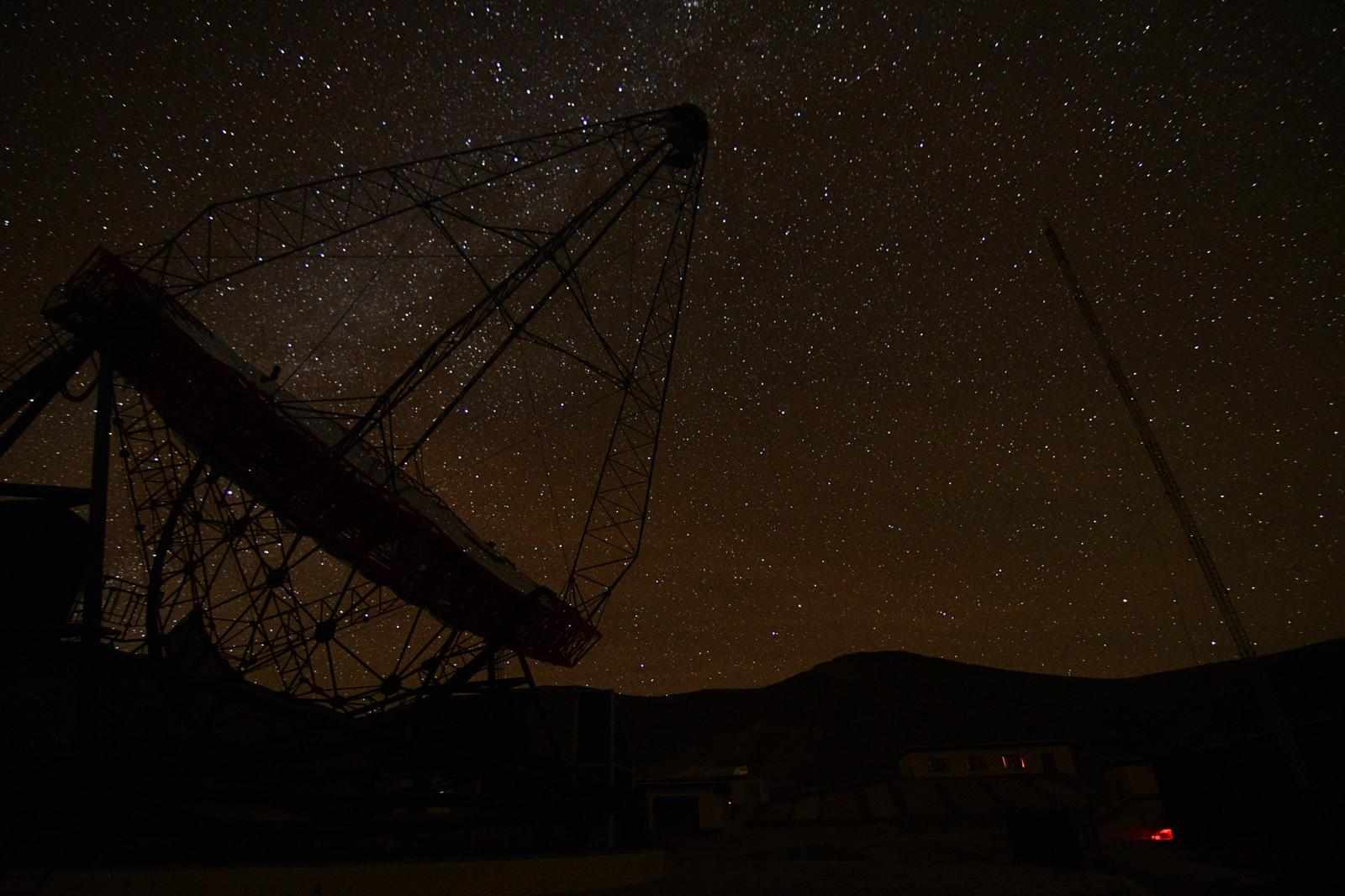
In late September, forty amateur astronomers and photographers from all over India converged on the tiny hamlet of Hanle, in Ladakh. We were at the Hanle Dark Sky Reserve (HDSR). This is one of very few spots in India where ambient light doesn't overwhelm the night sky.
We had been warned. It will be bitterly cold. Totally dark. You're at 14,000 feet. There's less oxygen in the air than at home. You'll fumble with the buttons on your camera. Your mind will get befuddled, you'll walk slower, you'll feel the strain of going up even gentle ramps.
On our honeymoon, my wife and I spent a few days camping in tiny Rio Gallegos, Argentina. One morning at breakfast, two German men sat down with us. After a few pleasantries, one said to us: "Please go ahead and speak to each other in your language - don't feel like you have to use English because we are here."

There's news and trumpeting, as there seems to be every few years, about India's Total Fertility Rate, or TFR. And that means another opportunity to examine both the TFR and what it means for our population growth.

(So this is a followup of sorts to my previous column in this space - I wrote it as my regular contribution to 3 Quarks Daily.)
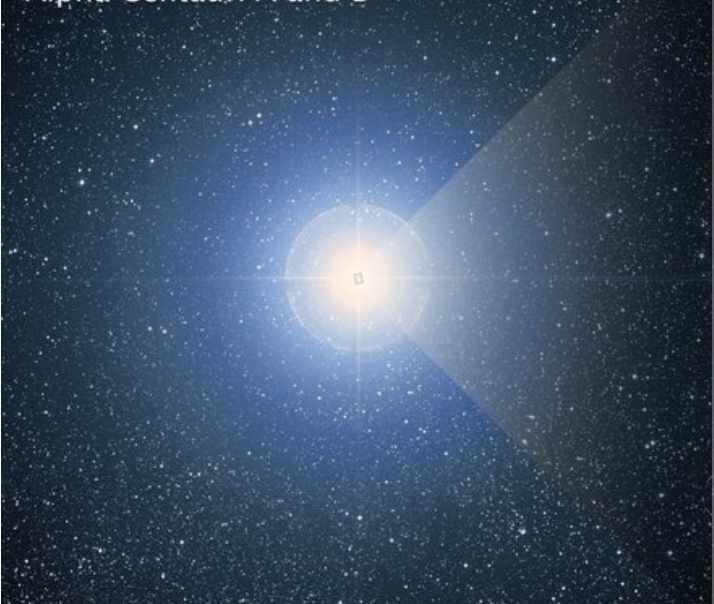
So by the standards of our galaxy and universe, the star Alpha Centauri - actually three stars, but I'll return to that - is very close to us indeed. In fact, of all the billions of stars out there, it is the closest to us Earthlings. Yet that mention should not have you polishing your shoes in anticipation of an imminent visit there.

Going to college in rural Rajasthan, I've always felt, was an education. But not so much because of the engineering and so forth I learned (or didn't learn, more like it) there. It was an education, above all, about this country I live in.
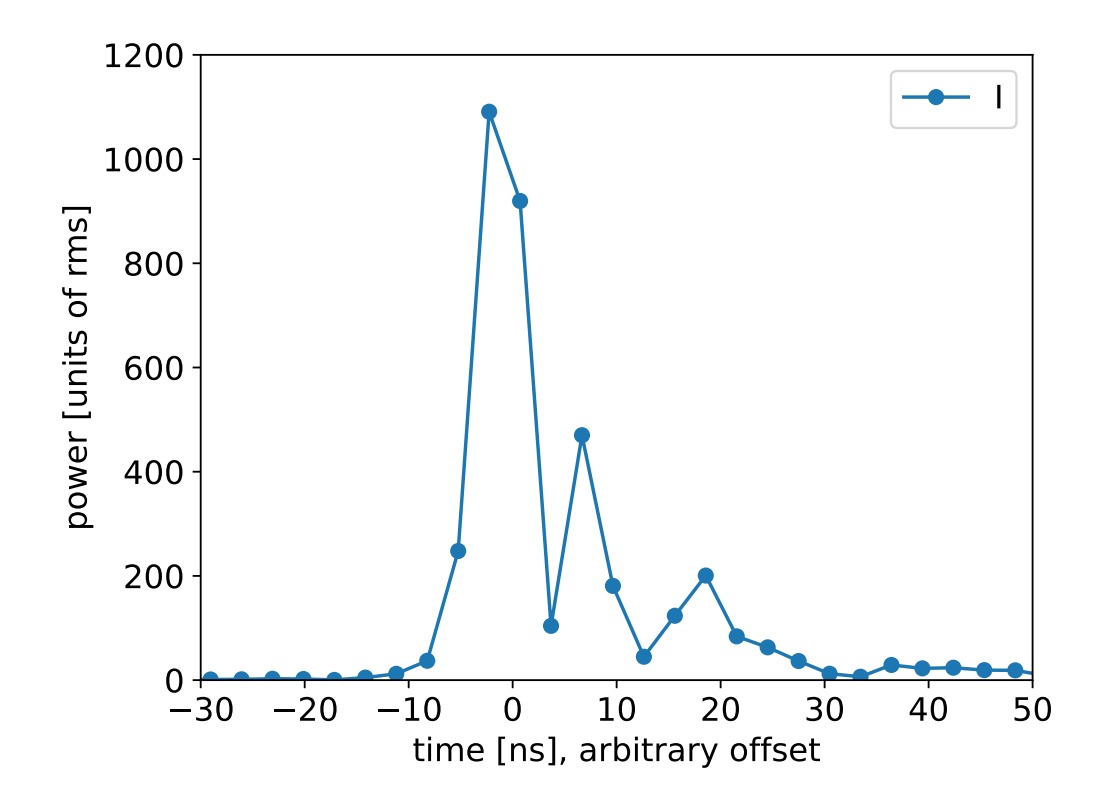
There's a particular astronomical phenomenon that we have been observing only for the last couple of decades - and especially frequently in the last five or six years. We observe it, but we don't fully understand it.

In Bombay, India's largest city, you will find what is frequently called the world's most expensive residence. That edifice belongs to Mukesh Ambani and his family. That man, of course, is routinely at or near the top of lists of the world's richest human beings. I don't have any idea of his worth, but it's a lot.
(Note: I mentioned that I'm starting a new column for 3 Quarks Daily. This was my first effort, which aired last week.)

On Sark, you'll find the "Old Hall". It's called that because there's a New (Town) Hall nearby - then again, everything on Sark is nearby - and the Old (Town) Hall is now a cheerful pub/restaurant. "It's got a good chef," said Linda, my host on the island, whereas "the New Hall serves pizza and sandwiches."
Rule of thumb: when a politician mocks another politician's eating habits, it means he (the first politician) is running scared of him (the second). (Change to she/her as appropriate.)
June 28

One of the joys of the place I call home is the African tulip tree right outside our balcony. Scientifically, in case you're scratching your chin and wondering, that's Spathodea campanulata. At this time of the year, it is awash with those African tulips, bright red/orange beauties. From certain angles, they resemble bells, which accounts for the campanulata - Latin for "bell-shaped".
It's been a few days of constant brooding. Four different tragedies have each imprinted themselves on me. I can't stop turning them over and over in my mind, they leave me with questions I can't answer, emotions I struggle with.

Just over two weeks ago, we landed in Lisbon, right into the catastrophic electricity shutdown across Spain and Portugal. We had no idea as we landed, of course. Once diembarked, we got on a bus that wound its way towards the terminal building ... and then we were stuck for half an hour. Nobody had any idea what was happening. A few police cars raced past, busy-looking airport staff walked briskly past, but nobody said anything to our driver, let alone the dozens of us passengers.

Paladru is a village in southeastern France, not far from the Alps and the Italian border. It sits on the northern tip of the long and pretty Lac de Paladru, site of some pioneering underwater archaeological excavations. The findings are detailed in an elegant little museum, Musée archéologique du lac de Paladru (MALP), on the lakeshore. They show that people have settled in this area going back to the Neolithic era.