
The Only City: Bombay in Eighteen Stories (edited by Anindita Ghose)
(A review)
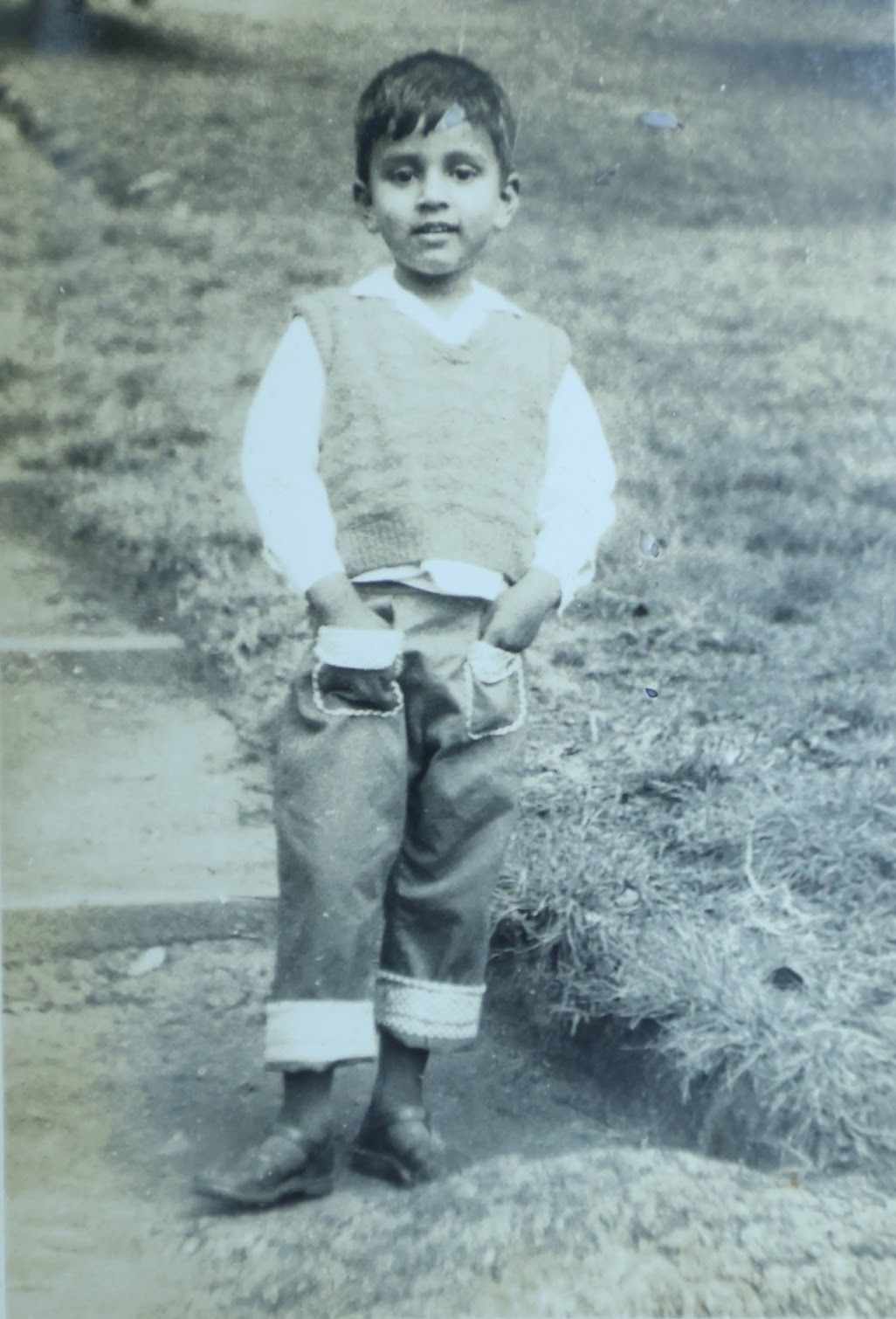
My father came to mind when I ran across this book. Through his long career in the IAS, he was posted in and travelled to various parts of India. But when he returned to Bombay - his home, our home - he'd often remark: "Everywhere else in the country is so rustic! Bombay is the only city in this country."
Now we in the family knew he didn't mean that India beyond Bombay was one vast rolling panorama of villages. Instead, his was a reference to attitude and sensibility, a certain way of thinking. No superciliousness meant either. Just that elsewhere in the country, he missed the familiarity, but really the big city feeling, of Bombay.
In some ways, that's what I expected to find in this book. The "spirit of Bombay" is a phrase overused to the point of being tiresome. Yet the stories here tap into that elusive spirit. Maybe not wittingly, maybe not explicitly. But this city shapes those who live here, and when they write about Bombay, we catch glimpses of that shape. And then you think about it and maybe you find that it's also the shape of the city itself.
Case in point: Shubhangi Swarup's "Snakeskin". Early in this story, she writes: "Concrete spews into the sky above. It erupts from a layer of smoke, filth and clamour. There are no roots. This city has no roots, only noise."
There's a pithy observation about Bombay if there ever was one. "No roots, only noise" - and how many of us can relate? Where I live, the noise is constant. Building after decades-old building, being frantically "redeveloped"; concrete rises - but also spews - into the sky. Hark! The sound of roots being yanked whole from the earth.
In a book of fiction about the city, you expect to encounter characters, situations, dilemmas, puzzles and stories that are endemic to Bombay. Thus the question that flitted through my mind after every story - could this have happened anywhere else? Is this The Only City where it can belong?
Sure enough, some efforts here answer that last question with an emphatic "Yes". The crowd in Raghu Karnad's elegant "Speedboat", for example, is the familiar roiling beast we know well in Bombay: bubbling with nervous energy, then hair-triggered into relentless, mindless ferocity. It doesn't kill anyone here, but it comes close: "Som looked down through all the legs and feet. Something twitched on the ground. A hand? No ... a cloth bag."
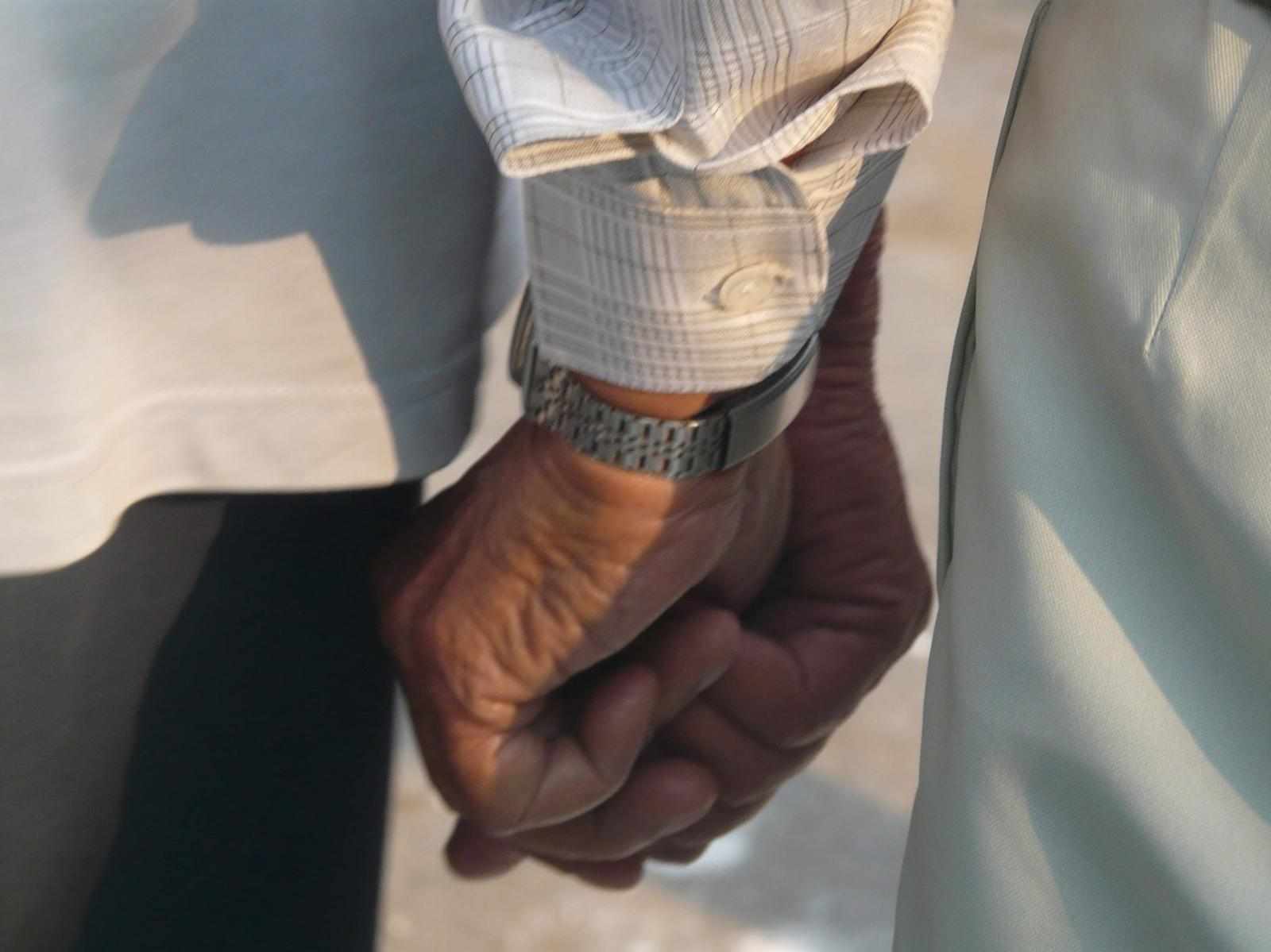
And that convulsion throws together, as convulsions can do in this city, the rich and the poor. Different worlds collide by chance - a gardener's family, and one in which the young daughter sports "the afterglow of a day spent exquisitely and expensively bored." But the day ends with one hand from each family "very still except for a moment when they held each other."
And I think, in that one moment, with those words, has Karnad found a quiet metaphor for my city?
Right after Karnad is Amrita Mahale's closely-observed "Aai-Tai". How closely-observed? Well, we learn of a tattoo artist's studio with "gods and fairies painted in neon", including a large Shiva. And that Shiva is "inked on his arm, too".
Mahale's protagonist Sayli lives in a Slum Redevelopment Authority (SRA) building - you know what that says about her. One day, she runs into her boss entering the somewhat posher building next door. "How funny," remarks her boss, "that we have never seen each other despite being neighbours for over ten years." How many in this city might ask the same question, face the same conundrum? But idly walking about later, Sayli picks up a balloon blown about by the breeze. A beggar girl appears, asking for it. "How much joy the silly balloon" brought the girl, muses Sayli. You see, nearly anywhere you're positioned on the economic spectrum, you will rub up against others much richer than you, others much poorer than you.
The particular Bombay reality of rich colliding with poor, and/or poor colliding with poorer. It recurs in different ways through the book.
Lindsay Pereira's "Strays" haunts me still, partly because I once knew a street kid who lived much as this one does. This one learns "to bow in gratitude, touching the feet of those who didn't want to be touched ... their eyes would never meet his ... he was a presence to them, never a person." He meets a girl, the police take her away. She returns but is listless and silent, then vanishes again and "something inside him broke." Years later, he sees a number of men rushing past, carrying suspicious loads: "he didn't know where they were going or what they intended to do, but he knew it would not be good, and that pleased him ... he felt a lightening in his chest." Is it any wonder that when this forever ignored, beaten, invisible flotsam of Bombay life grasps that bombs are going to explode across his city, he "began to giggle"?
Many stories later, Yogesh Maitreya's protagonist in "The Sound of Silence" touches on that same idea of a "presence, never a person". Watching someone help a woman in a wheelchair board a train in Germany, he muses: "Where I escaped from, I am not used to this - to valuing individuals and their needs, to perceiving them as being worthy of human dignity."
It's all fiction, you see, but there's plenty of truth in this book. Kersi Khambatta's truth, for example, will strike loud chords with anyone who's dealt with that Bombay institution, the cooperative housing society that's rarely cooperative. Its members share the peculiar assumption that the security guard will not just tackle difficult physical tasks, but is also the conduit for delivering possibly inconvenient messages. Its secretary comes to think of himself (usually "him"self) as minor royalty. Khambatta lays bare these delusions in satire of the best kind - hilarious, but also so familiar as to make you squirm. Oh yes, I know that secretary.
So there's much to savour in this collection. There's also much to scratch your head about. Three authors in a row - Manu Joseph, Shubhangi Swarup and Jeet Thayil - combine for fifty pages that had me scratching; my notes about their stories have in common the words "surreal" and "aimless". I didn't use those words for Prayaag Akbar's "Hoodbhoy House", but I couldn't make much sense of it. "Nurse Shanti" by Tejaswini Apte-Rahm, while gripping enough, felt derivative. A placid, unruffled, routine life turns on a paisa into dread and danger - among others, the terrific Melanie Griffith film Something Wild comes to mind. I also felt Anindita Ghose, in her preface, tries a little too hard to paint the Bombay of these pages for us. "It is not a place of aching beauty ... it is a film shoot in that chalk-blue cottage in Bandra ... this city holds countries ... its determined indeterminateness ... how many names this city bears." Dear Anindita, you've collected these writers - you included - and their tales for us. Please let us discover their Bombay for ourselves.
To round out this review, two notes of sincere appreciation. First, Chirodeep Chaudhuri's stark monochrome images. I've always admired his work and hope one day to accompany him and learn, on his Bombay wanderings. He has an uncanny eye for scenes that nail down this city, and the ones in these pages are no exception. Look for the street with legs that don't belong, followed by the crow with a foot that doesn't belong. Or wait, do they belong?

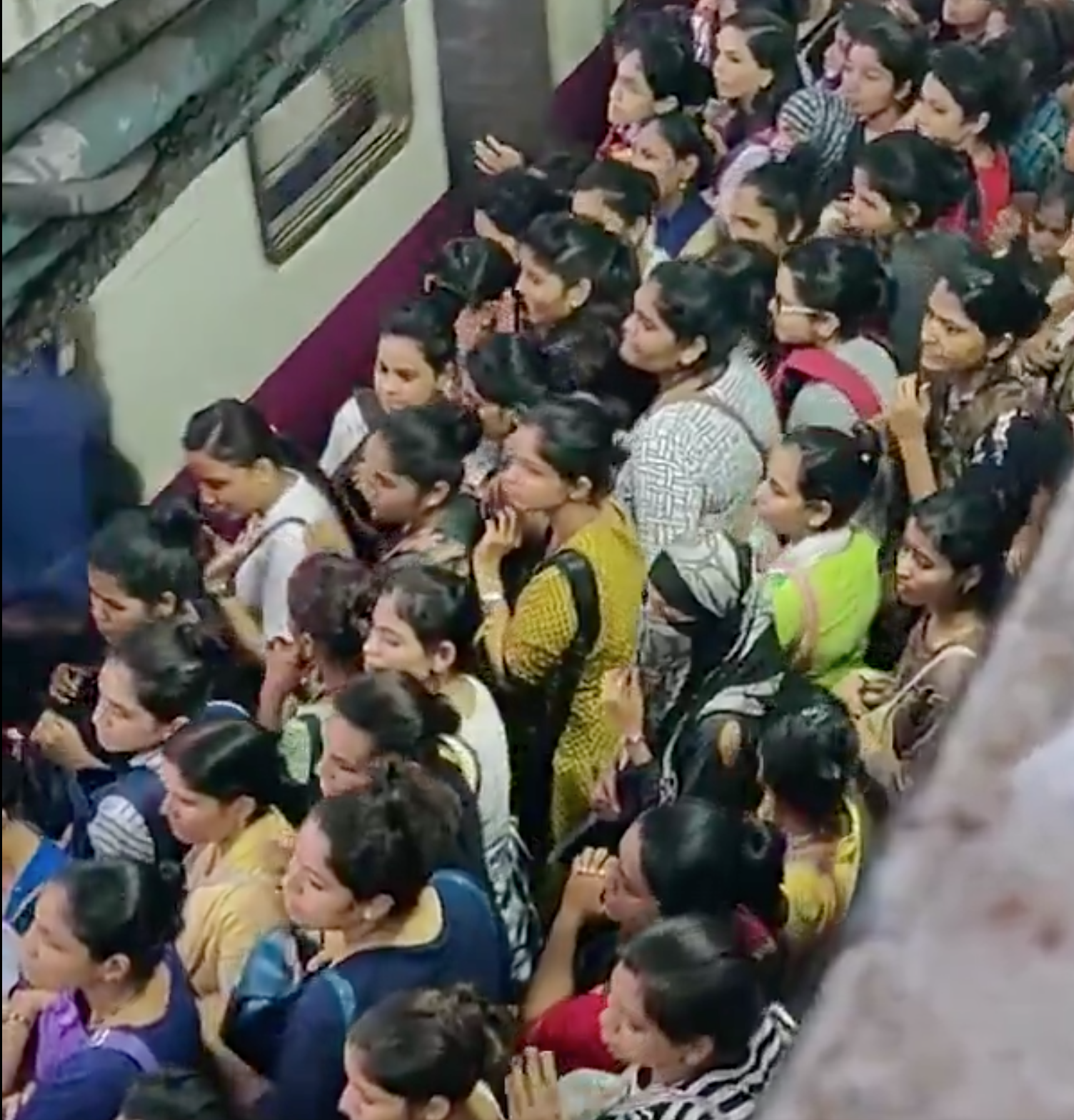
Second, for me, Prathyush Parasuraman's "Two Bi Two" is the crown jewel here. The sultriness and passion almost leap off every paragraph, every page. Raw and uncensored, yes, but also unfeigned, heartfelt and vivid. I mean, I have been in those thronging train compartments, felt some of that heat, felt unable to move, felt those roaming hands. "Strange how in the midst of so many people," writes Parasuraman, "so little of you is cared for, looked at, that it almost offers the promise of privacy. Would you believe me if I told you that I had kissed a man here once, in this crowd, our faces hidden by ... the general public's disinterest in and indifference to us?"
Yes, Prathyush. I believe you. There's disinterest and indifference in Bombay, but they live alongside, maybe even shape, emotion and heartache and ambition and fulfilment and much more. This is the only city, I think my father would have agreed, where it all comes together.
This review appeared in Biblio, issue of January-March, 2026.










Write a comment ...